
Most sealed patios need a fresh coat about every three to five years, and driveways often need one sooner. This paver sealing maintenance guide covers how to tell when yours is due, what the work costs, and the cleaning routine that makes a coat of sealer last.
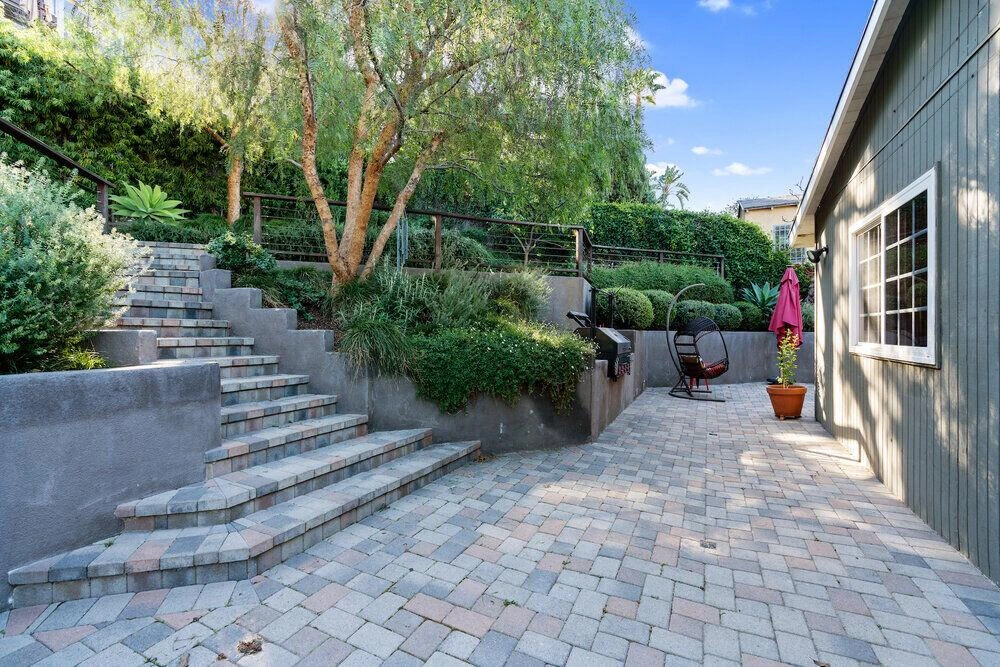
What sealing does for pavers
A sealer guards against oil stains, organic stains from leaves and debris, and UV fading, according to Western Interlock, which calls sealing insurance for your hardscape. It also deepens the pavers’ natural color and texture.
The catch is that the coat wears out, which is why a paver sealing maintenance guide has to be about timing as much as products.
How often to seal pavers
The usual answer is every three to five years. House Digest’s guide to resealing pavers puts it at exactly that, and adds that foot traffic, parked cars, harsh weather and sun all shorten the gap.
Western Interlock, a paver manufacturer, splits it by how the surface is used.
| Area | Reseal every | Why the gap differs |
|---|---|---|
| Driveways and main walkways | 2 to 3 years | Tires and daily foot traffic wear the coat down fastest |
| Patios and decorative areas | 3 to 5 years | Lighter use, so the coat holds longer |
Those intervals come from Western Interlock’s DIY sealing guide. Treat them as a starting point and let the surface itself make the call.
Signs your pavers need resealing
Pour a little water on the surface. If it soaks in right away instead of beading, the coat has worn thin. House Digest adds that water taking 30 seconds or more to sink in means you can wait.
Color tells you too. Hunker notes that pavers can look faded about two years after sealing, and that weeds rooting in the joints or pavers that buckle are further signs the surface needs attention. A patio that darkens noticeably after rain is soaking up water.
Check in spring, when you’re already out there cleaning.
What paver sealing costs
Professional sealing runs roughly $1 to $3 per square foot, depending on the sealer and the condition of the pavers, according to House Digest. Western Interlock quotes a slightly lower all-inclusive range. For a 400 square foot patio, it says to expect $300 to $1,000 or more.
Doing it yourself costs less on paper. The same Western Interlock guide counts $100 to $300 for equipment on top of the sealer, and warns that wrong product choices and uneven application can leave a blotchy finish that’s costly to fix.
These are published ranges, not Glscapes prices. When you collect quotes, ask for cleaning, joint sand and sealer to be itemized separately so you can compare like with like.
Paver sealing maintenance guide step one: cleaning
Sealer locks in whatever is on the surface, so a coat over dirt traps the dirt. House Digest calls cleaning before sealing essential, and a pressure washer makes it far easier.
Between coats, a light routine does most of the work. Western Interlock suggests sweeping off leaves weekly, especially in fall, before tannin stains set. Spills get blotted, not wiped. Oil is soaked up first with sand or cat litter.
Once a month, scrub high-traffic spots and the areas under trees with a coarse broom and water. In spring, remove built-up organic growth and winter salt residue with a paver cleaner or a bleach mix of four parts water to one part bleach, left 10 to 15 minutes and rinsed. Test a hidden corner first.
Pressure washing deserves care. Western Interlock’s own advice is to follow proper technique so the surface isn’t damaged.
Removing stains without damaging the surface
Match the fix to the stain, and start with the gentlest method. Western Interlock’s escalation for organic stains runs from bleach, to hot water, to carefully applied boiling water.
Tree sap needs the bulk scraped off first, then an acetone-based solvent. Oil gets a dedicated oil extractor kept moist for about 10 minutes, then rinsed and repeated if traces remain. Rust has its own acid-based cleaner.
For moderate moss, Western Interlock suggests a half-and-half bleach and water mix left for 24 hours and then rinsed with a pressure hose. Heavy coverage calls for a pressure washer with a surface attachment.
Do all of this before sealing, not after. Stains sealed under a coat stay put, and that’s the main reason a paver sealing maintenance guide starts with cleaning rather than the sealer itself.
Keeping joint sand full and weeds out
Joints are the weak point of any paver surface. Check the sand monthly for washout or settling and top it up, since full joints leave seeds no room to root.
Small weeds pull out easily when the soil is moist. For a large patch, use a targeted weed killer and clear the dead growth afterward.
Sealing helps here as well. A water-based sealer hardens the joint sand so it resists washing out and keeps ants and weeds from moving in, as Hunker explains. Some sealers are made specifically to stabilize the joints.
A paver sealing maintenance guide by season
Put together, a year of paver maintenance looks like this.
- Weekly in fall, sweep off leaves before they stain.
- Monthly, scrub high-traffic spots and check the joint sand.
- Each spring, wash away winter grime and run the water test.
- Every few years, clean and reseal when the water test says so.
If your joints are failing across a large area, topping up won’t be enough. Western Interlock says broad failure may call for full joint restoration, which is work for a crew. Our team has more than 20 years of experience, and our concrete pavers installation services and hardscape services cover that kind of repair.
When to seal brand-new pavers
Wait 30 to 60 days after installation. That window lets the pavers settle and lets any efflorescence, the whitish film that can surface on new concrete, show up and get cleaned away before it’s sealed in.
Weather matters on the day too. Western Interlock recommends temperatures between 50 and 80 degrees, moderate humidity and no rain forecast for 24 to 48 hours. Apply thin, even coats rather than one heavy one.
Choose the sealer for the job. Water-based types are easier to apply, and House Digest lists solvent-based types as the alternative, each with trade-offs.
Mistakes that shorten a sealer’s life
Anyone following a paver sealing maintenance guide runs into the same traps. Sealing too early tops the list, because efflorescence gets trapped under the coat. Sealing over dirt comes next, then a heavy coat applied in the wrong weather.
Picking a product without checking what it does to the surface is the costly one. Western Interlock warns that some products can permanently change how pavers look, so test a small, hidden patch first.
If you’d rather have it done once and done right, see our concrete pavers service, browse finished work in the photo gallery, or read how to choose a landscaper in the Bay Area before you book. You can also ask for a free estimate.
Frequently asked questions
Can I seal my pavers myself?
Yes, and it costs less than hiring out. The risk is product choice and uneven application, which can leave a blotchy look that’s expensive to correct.
How long should new pavers wait before sealing?
Give them 30 to 60 days. That lets efflorescence appear and get cleaned off first.
Does sealing stop weeds in the joints?
It helps. Sealer stabilizes the joint sand, which cuts down on weed growth and insects, though you’ll still want to check the joints monthly.
How do I know if it’s time to reseal?
Run the water test. If water soaks in immediately rather than beading, the coat has worn thin, and fading color or weeds in the joints point the same way.
What does a paver sealing maintenance guide boil down to?
Sweep often, check the joint sand monthly, wash in spring, and reseal when water stops beading.
How often do driveway pavers need sealing?
Western Interlock puts driveways and main walkways at every two to three years, a little sooner than patios.
Sources
- Here’s How Often You Should Be Resealing Your Pavers — House Digest
- Do You Need a Professional to Seal Your Paver Stones? Pros and Cons of DIY — Western Interlock
- How to Maintain Your Pavers — Western Interlock
- How Often Should You Seal Pavers? — Hunker